McBride Contemporain, Montreal
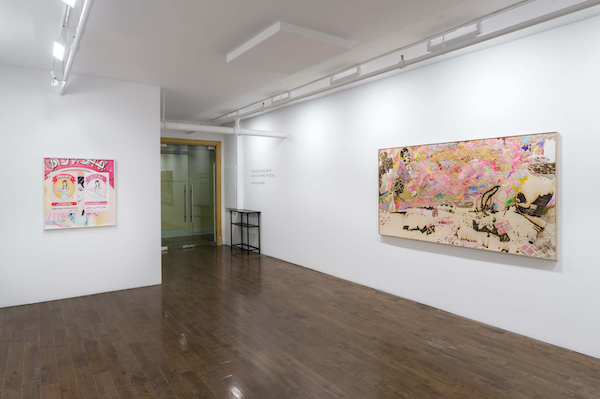
McBride Contemporain, gallery entrance (photo: Guy L’Heureux)
The Canadian art landscape is ever-changing. Places + Spaces keeps you informed of established and up-and-coming exhibition venues across the country including museums, galleries, artist-run centres, and more. This month, we hear from Soad Carrier, director of McBride Contemporain in Montreal.
What is the history and mandate of your gallery?
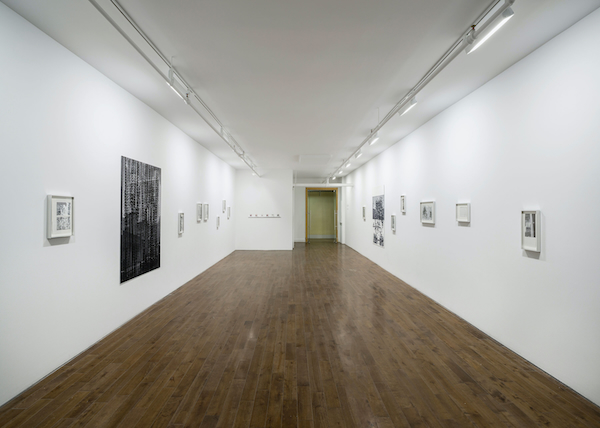
Andrea Szilasi, Réfléchir, 2026, installation view (photo: Guy L’Heureux)
McBride Contemporain is a contemporary art gallery founded in 2018 by Vincent McBride on the fourth floor of Montreal’s historic Belgo Building, a location long known as a focal point for visual arts culture in Canada. The idea for the gallery was born from McBride’s first encounter with the building’s dynamic creative environment, where he recognized an opportunity to contribute meaningfully to the cultural ecosystem.
After several phases of growth and transformation, the gallery is now owned and directed by Soad Carrier, who carries forward the founding vision of fostering meaningful connections between artists, curators, collectors, and the public. The gallery centres on supporting ambitious contemporary art through thoughtful exhibitions, while maintaining relationships that support artists’ careers over time and contribute to how their work circulates both within Québec and internationally.
What’s a highlight of the neighbourhood where the gallery is located?
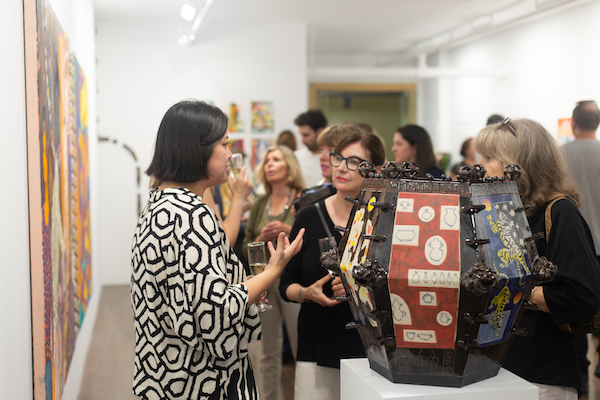
Exhibition opening at McBride Contemporain (photo: Emma Ongman)
The Belgo Building is located in the Place-des-Arts neighbourhood. Built in 1912, it transformed into a hub for the visual arts in the late 1980s and has remained a vital site for artistic production and presentation ever since. Today, it houses one of the largest concentrations of contemporary art galleries and artist-run centres in Canada, with nearly a dozen exhibition spaces to explore, all within the same set of walls. To consult what is on in the building, as well as individual operating hours, I’d recommend visiting belgo.art.
What’s your favourite part of running an art gallery?
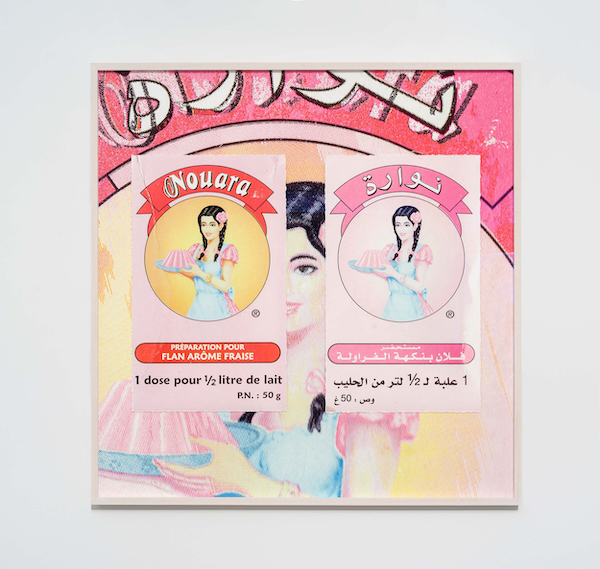
Berirouche Feddal, Défraîchissement de l’innocence, 2024 (photo: Guy L’Heureux)
I love to discover a new field of interest and research with every artist I collaborate with. At the gallery, we make a point of slowing down the curatorial process to truly immerse ourselves in the world of each artist whose work we’ll eventually present on our walls. This approach allows us to connect collectors, curators, and visitors in meaningful ways. For example, one exhibition might open a conversation about Kabyle culture through the work of Berirouche Feddal, while another invites viewers to explore the complexity of Andrea Szilasi’s collages, or to reflect on alternate realities and world‑building in Rebecca Munce’s practice.
It’s deeply rewarding to see an artist’s practice gain visibility, whether through inclusion in a group exhibition, acquisition by a collector, or recognition in critical writing. I’d say that watching these practices find their place in the ongoing history of art is the most fulfilling part of running a gallery.
How do you find out about new artists?
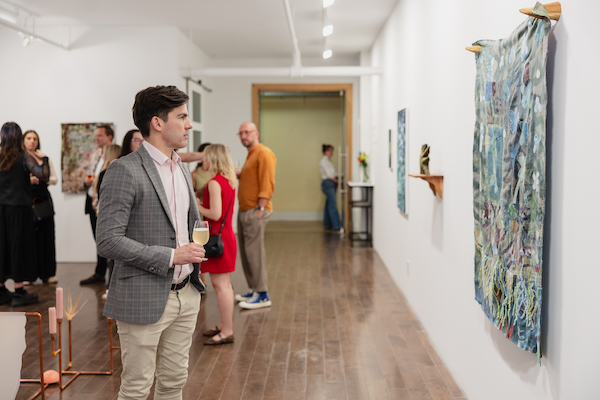
Event in collaboration with the Montreal Museum of Fine Arts (photo: Frédérique Faddoul)
I regularly visit exhibitions in artist‑run centers and cultural institutions across the city, and actively engage with the local art scene. I currently serve on the board of the AGAC (Association des galeries d’art contemporain) and sit on the selection committee for the Art With Heart auction in Toronto. In the past, I’ve been part of the selection committees for Artch, a Montréal‑based non‑profit that supports and promotes emerging contemporary visual artists in Québec, and for Art Volt, which highlights recently graduated artists from Concordia University’s Faculty of Fine Arts. I make a point of following artists’ work over time, which allows me to appreciate how their practices evolve and to identify voices that contribute meaningfully to the broader contemporary art conversation.
Where do you see yourself in five years?
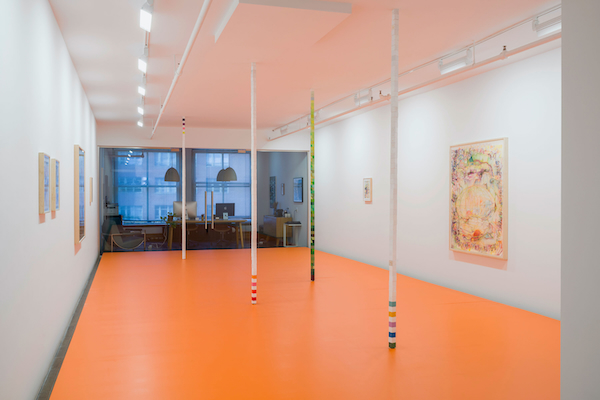
Bea Parsons, kiyanaw, 2025, installation view (photo: Guy L’Heureux)
I would love to see the gallery in a bigger space that might allow for even more ambitious projects.
What excites you about your upcoming exhibitions?
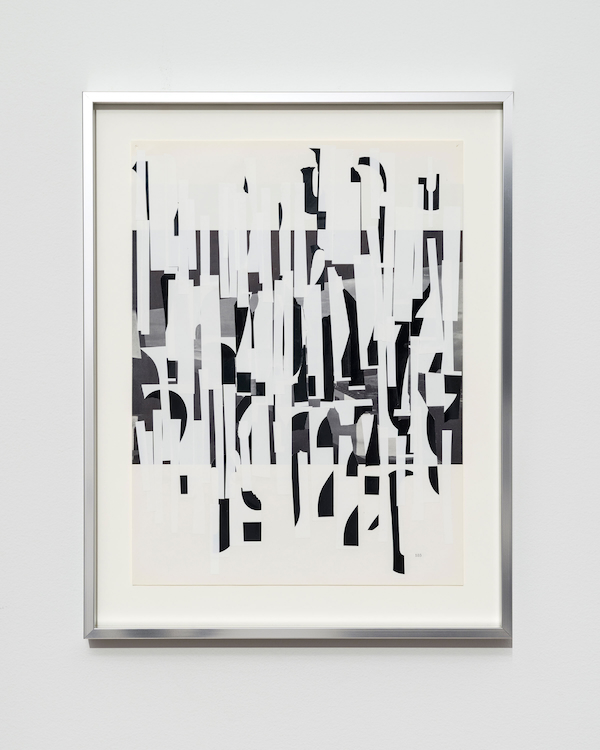
Andrea Szilasi (photo: Guy L’Heureux)
We have a number of exciting projects on the horizon. Right now, we’ve just opened a remarkable exhibition by Andrea Szilasi, Réfléchir, marking the return of collage in her photo‑based practice, an approach she first explored with great sensitivity in the 1990s.
Another aspect we love developing at the gallery is our duo exhibitions, which allow for an in‑depth exploration of each artist’s practice while sparking new insights through dialogue between their works. Our next show follows this format, bringing together Michelle Bui and Kuh Del Rosario. This exhibition will explore how materials carry memory as they shift from one state to another, and how the acts of collecting and discarding reflect the ways we construct identity. I’m especially excited about how their distinct practices will resonate with each other and invite viewers to reflect on transformation and process.
Spring is also coming up, and with it one of the most anticipated events in the Canadian arts community, the Plural Art Fair. If you’re planning to visit Montréal in the near future, I’d recommend timing it with the fair. It’s a wonderful occasion that brings together gallerists from across the country to showcase their artists and programming.