Diane Borsato, Artist – Toronto
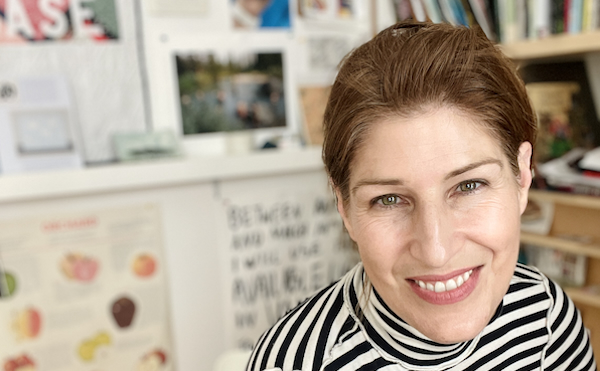
Diane Borsato is an artist known for her social and environmental art practice, informed by close observation and active participation in a wide range of clubs and community activities. She has exhibited and performed widely around Canada and internationally. Her recent books include Outdoor School (co-edited with Amish Morrell); Mushrooming, on foraging and fungi in contemporary art; and Snakes in the Library, an eccentric artist book made together with the Science and Medicine Librarian at the U of T Thomas Fisher Rare Book Collection. She is also Associate Professor at the University of Guelph, teaching classes on conceptual art, video, social practices, and environmental art. Her new exhibition Time Machine is up at the Musée d’art contemporain des Laurentides in St. Jerome until January 18.
- Swimming in freezing cold water

I took this picture recently – the first time I ever walked into a lake in the snow. I’ve been going regularly to join this group of mostly Ukrainian Canadians (some recent newcomers fleeing the Russian invasion) who dip into the freezing lake every week, all year long. I’m developing the kind of addiction to cold water swimming and plunging that people often talk about – the tingly euphoric rush of it all. But I also admire this particular group, how they all embrace and hoot and enjoy the collective gesture so much. After the plunge, they share a generous picnic of hot homemade soup, poppy seed pastries, and thermoses of tea, even in the freezing rain. And even though swimming isn’t recommended at this dirty, urban shore, I’m touched by how insistent everyone is, here anyway, on living.
- Apples
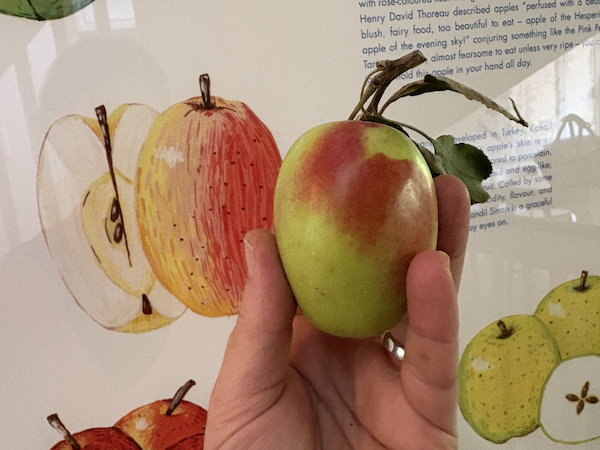
This year in my public art project in Mississauga called ORCHARD, we harvested the first few golden Ananas Reinettes, which taste like pineapple, and White Winter Pearmain, which taste like pears. We also picked a few of our first exquisite Turkish apples, a varietal called Kandil Sinap. These are oblong and blushing, thin skinned, and taste like roses. When a woman from Syria at the apple tasting saw one for the first time since fleeing her home country, she burst into tears. Every apple is full of surprising flavours and beauty, stories of its development, and our own stories of how we have settled, and unsettled, around the world.
- Citrus
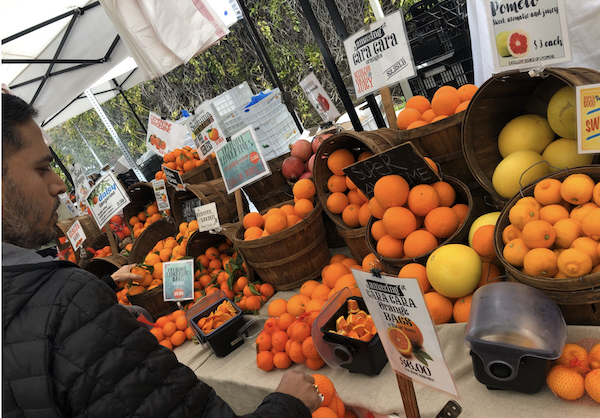
While I write this, I’m drinking an orange smoothie, thinking about some leftover lemon madeleines, and simultaneously wearing three kinds of citrus perfume: bergamot oil, a yuzu concoction, and an Italian mandarin perfume that reminds me of a marmalade I tasted in Sicily, right from the spoon of the lady who made it. She served it directly into my mouth with the confidence of a person who knew it was the most delicious thing ever boiled in sugar and stuffed into a jar. As it gets darker and colder, citrus is something I crave all day. It is the condensed essence of sunshine, and it gets better and better all winter.
- Tea
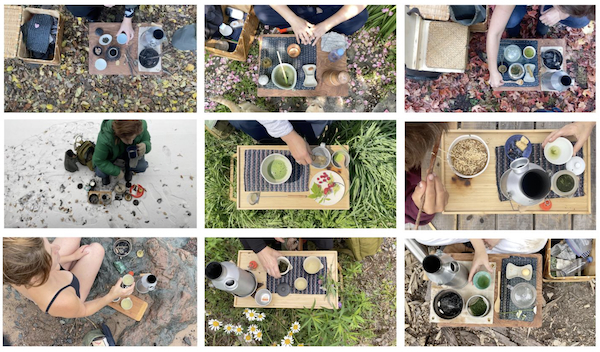
It’s lotus mooncake and autumn oolong season. Or maybe milky Assam and pumpkin pie season? Genmaicha season with cream puffs? Some gunpowder green with mint? A strong hot hibiscus infusion with lots of maple syrup to contrast against all the new white snow? I wait for the water to boil, the tea to steep, over and over, while the seasons (and their pleasures) unfold and the world changes all around me.
- Following things
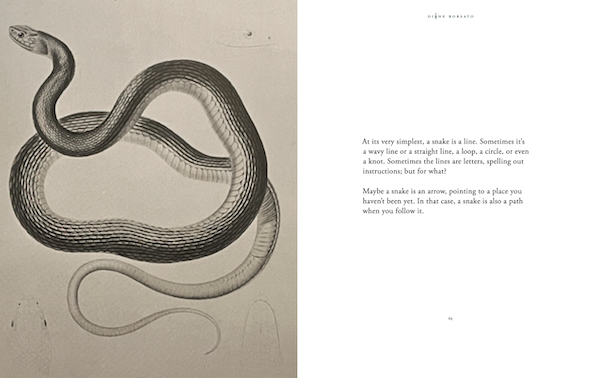
I just launched a book with History of Science and Medicine Librarian Alexandra Carter called Snakes in the Library. To make it, I sought out any images of snakes I could find at the U of T Thomas Fisher Rare Book Collection, propelling themselves through sections in zoology to medicine to religion, from art to sport, cooking and travel, from children’s literature to gay pulp fiction. It’s been published with great care, special binding and print quality, and in a limited edition. All of this makes it awfully expensive and rare. I worry that hardly anyone will get to see it! At the heart of the project is the idea that if I pick an esoteric focus, and dive in deeply and sideways and wherever it takes me, I learn a lot about that thing, and about the broad context of other interesting things that it is connected with. This has been the way I have directed and energized my art practice for many years. In case you never get your hands on a copy, here’s one of the spreads I wish everyone could read.