Creating Space 16
By Terence Dick
It’s not surprising that experiences with the health care system inform the work of disabled artists. Many of the articles featured on The Cripsters over the years have addressed just this topic. What is less common are the opportunities for those critical perspectives to speak directly to the medical establishment. One such venue for the meeting of these two overlapping and often at odds world is the annual Creating Space conference.
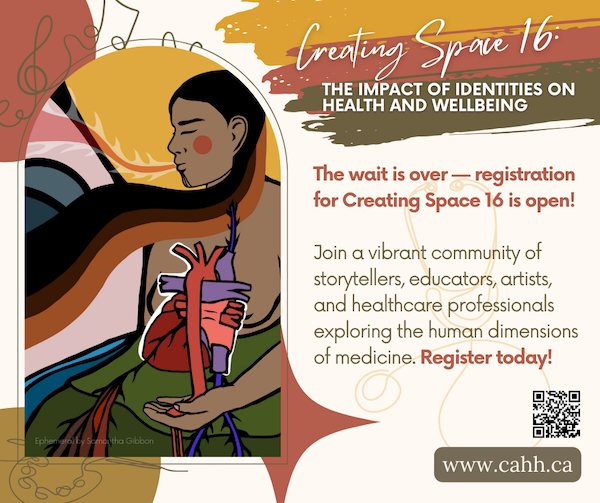
Now in its sixteenth year, this gathering of artists, academics, educators, and health care professionals will be taking place in Ottawa from April 19 to 21 with a focus on, as the 2026 conference title indicates, “the impact of identities on health and wellbeing.” Unfortunately, the panels and presentations are only accessible in person, so you’ll either have to trek to the national capital (if you don’t happen to be there already) or wait until the next Creating Space comes to your hometown (a different city acts as host each year). Whether you can attend or not, it’s worth previewing the programming on disability and the arts that is offered in the coming weeks. Perhaps it will inspire you to propose an abstract or submit some writing or visual art in the future!
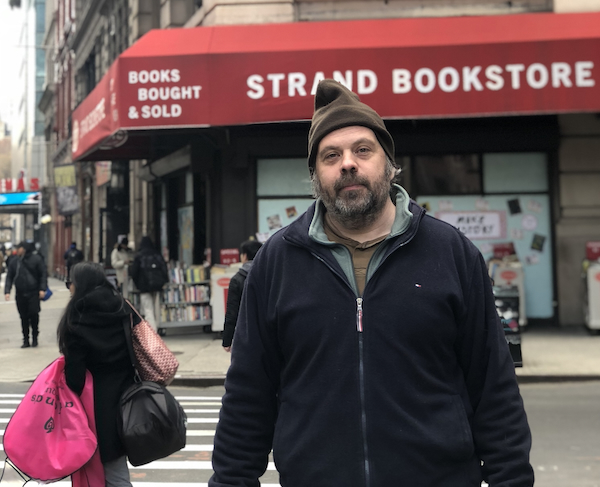
Shane Neilson
Creating Space grew out of the annual Canadian Conference on Medical Education and still happens in advance of it. The Canadian Association for Health Humanities was established through the organizational meetings for these events and was formally established in 2018. It now serves as the body responsible for CS, but works with local practitioners in the field of Health Humanities to ensure that each year’s conference is unique. A quick perusal of past conferences seems to indicate that the upcoming edition has an increased emphasis on the participation of disabled artists. Which is not to say they were absent in the past. In fact, Dr. Shane Neilson, who is uniquely positioned as a medical doctor who is also autistic and a published poet, was a guest speaker in 2017 for Creating Space 7: Dreaming the Myth Onward. This year, he is part of a panel titled Tumor, Strange, Parent, Voice: Poets Reading Their Work on Disability that takes place on the morning of April 21.
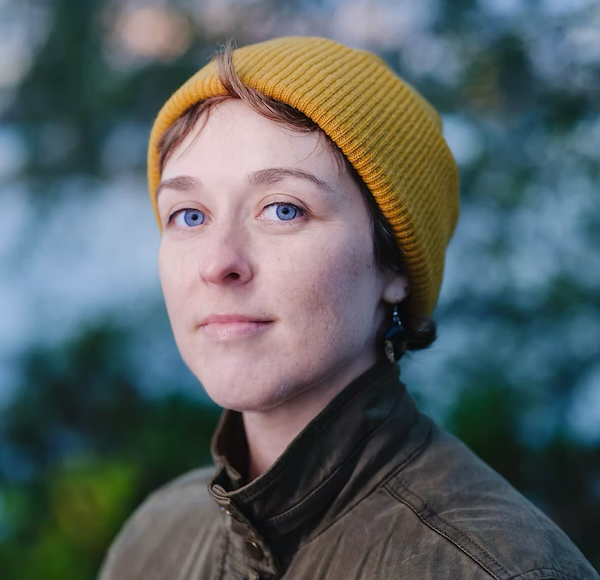
Conyer Clayton (photo: Curtis Perry)
Since it was coined in 2000 by Rita Charon, the term “narrative medicine” has gained traction as a model for health care practice – so much so there is a division dedicated to it at Columbia University and a lab set up to explore it at the University of Toronto’s Faculty of Medicine. Building on this idea, Neilson and his fellow poets are proposing a consideration of “poetry medicine” with an emphasis on disability as a distinction identity (though one that encompasses a wide range of different experiences and perspectives). The primary emphasis of the performances in this session is to consider how disability influences the poet’s craft and how a poem can represent the disabled author’s identity, but there will also be a discussion of how the poets’ work could inform the teaching of medicine.
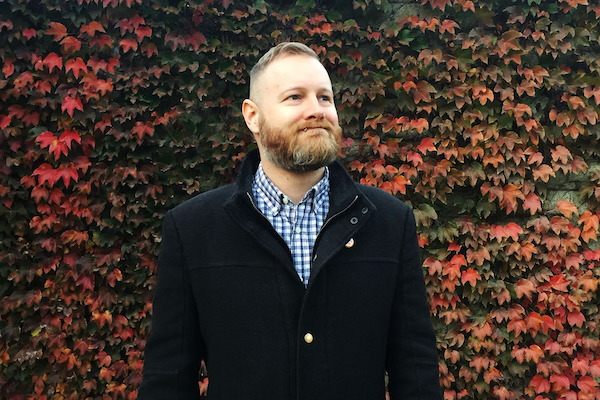
Jim Johnstone (photo: Erica Smith)
Neilson’s most recent books – The Reign and What to Feel, How to Feel – were both published last year and deal with neurodivergence. His broad range of expertise, from being a physician, a professor of medicine, and a PhD in English and Cultural Studies, give him an undeniable authority within the field of health humanities and the specific focus of this panel, while his work reflects the depth of his intellect and his facility with expressive language. Also on the panel, Conyer Clayton is an Ottawa-based writer who is originally from Kentucky and has produced various books, chapbooks, and sound recordings over the past decade. They will be reading from and discussing poems about their vocal disorder. Toronto-based poet and editor Jim Johnstone, who also happens to have a connection to medical practice through his graduate work in reproductive physiology, will be sharing poems about his diagnosis of and recovery from a brain tumor called a meningioma. Lastly, Nancy Huggett, who also lives in Ottawa, will contribute her poems about caring for her adult daughter who has multiple disabilities.
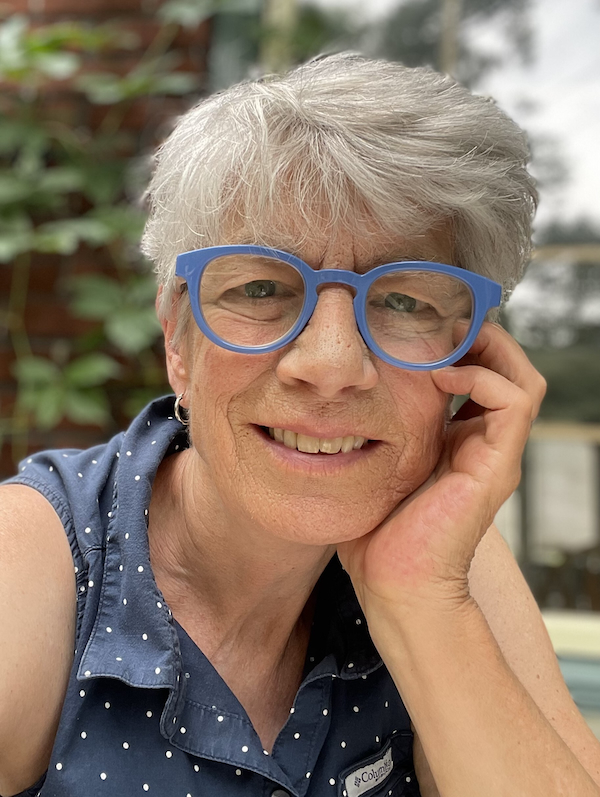
Nancy Huggett
In addition to the poetry panel, there is a presentation on digital storytelling and dementia care by Melanie Lalani, a panel on narrative medicine for adults with intellectual and developmental disabilities titled Making Voice Visible: An Arts-Based Model for Inclusive Disability Care lead by medical student Talia Katz, a short talk by Jenna Kedy titled Chronically Iconic: How Disability Shaped My Voice, Not My Limits, a performance titled Impulse: Translating Tourettic Embodied Experiences by Dr. Daniel Jones, and a workshop on accessible movement and dance.