2024 Critics’ Picks – Part Two
As per tradition, Akimblog has reserved the last two weeks of our publishing year to reflect on the past twelve months of art happenings in Canada. Our writers have selected the exhibitions that stuck with them long after they left the gallery. At a time of global turmoil when it’s hard not to spend every waking moment absorbed in politics, contemporary art can help us make sense of the chaos, respond to it, and relieve us of it. This list is a tribute to those possibilities.
Lin Li in Vancouver
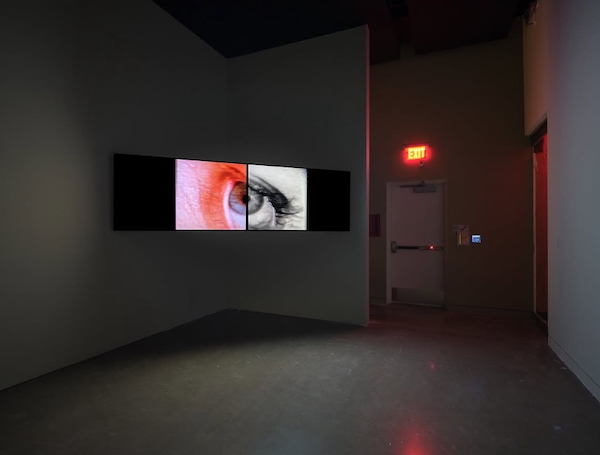
Daniele Puppi, Psychedelic Lock, 2016, installation view at New Media Gallery (photo: Rachel Topham)
This year, Vancouver’s art community witnessed an impressive array of exhibitions, screenings, performances, and workshops. However, it has also been a challenging time, particularly for non-profit art institutions and small galleries grappling with rent hikes and funding cuts. On top of that, we witnessed the Vancouver Art Gallery’s plan for their new building being sent back to the drawing board, and the New Media Gallery announced the departure of its two director-curators, with the gallery set on hiatus into 2025.
Amidst these shifts, the New Media Gallery’s MASTER left a lasting impression. This installation-based group exhibition celebrating the gallery’s tenth anniversary presented viewers with the potential of multi-dimensional truths in an age of digitalization and the information explosion driven by the rapid development of technology and recent revolutions with AI. Six local and international artists showcased their unique perspectives, research results, and processes – as well as their reinterpretations of the cinematic language from one celebrated director. Spending over an hour in the exhibition space, I experienced moments of dizziness and nausea — which I later accepted as a reminder of the current state of the world. Every day, we light up our smartphone screens, sit before glowing monitors, and scroll endlessly through social media feeds. We attempt to look, listen, and speak amid a deluge of conflicting narratives. In an era when fake news, AI-generated imagery, and hyperbolic advertising saturate our senses, the notion of a single, absolute truth feels increasingly untenable.
Yuluo Anita Wei in the GTA
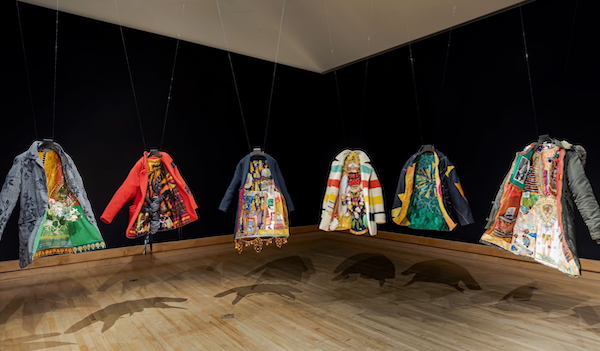
Meera Sethi: A Brief History of Wear, 2024, installation view at the Varley Art Gallery of Markham (photo: Toni Hafkenscheid)
Flipping through my album from the past year, I realized the Akimblog review I wrote for Lost and Found was quite some time ago. I still think about the show every now and then, and continue to feel moved by it. This two-person exhibition took what had been a year-long public art research project, originally presented outdoors, and reimagined it inside a static gallery. The result was full of surprises. How do exhibitions engage with the places they inhabit? I’ve spent a lot of time contemplating this aspect of curation lately.
A new art non-profit in Markham, Steelcase Art Projects, demonstrated real courage when it comes to space. They occupied a 3,500 square-foot warehouse and intentionally left it in a partially demolished state: chiselled-through walls, damaged drywall, dropped ceilings, and doors scattered on the floor. In this unconventional setting, thirty-one artists responded to the theme Face/Waste from various critical perspectives (full disclosure: I was involved with it too). This show, which invited the public to engage with art in an unconventional setting, was a bold testament to SAP’s substantial vision.
It’s challenging to pinpoint a single trend in this year’s Toronto art scene, but I found several solo exhibitions by female artists particularly compelling. These included national-toured show Pizandawatc / The One Who Listens / Celui qui écoute by Caroline Monnet (curated by Mona Filip), Meera Sethi: A Brief History of Wear at the Varley (curated by Anik Glaude), and Pacita Abad at the AGO. In all of them, thoughtful lighting and well-planned gallery layouts guided visitors smoothly through an array of media – paintings, sculptures, textiles, and videos – without ever feeling jumbled. I’m personally in love with the last room of Abad’s exhibition. Her deliberate use of colour, patterns, and threads, combined with the lighting and backdrop, transported visitors into a kind of underwater world that one can explore on foot. If you liked any of the other exhibitions mentioned above, this is the one show you don’t want to miss.
Stephanie Vegh in Hamilton
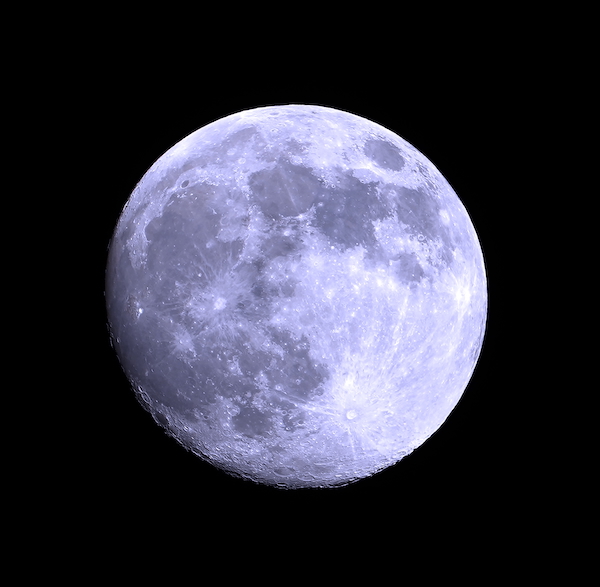
Shelley Niro, Pandemic Moon (Post-Industrial/Pre-Colonized), 2023, Duratrans in circular lightbox
Grounded by many now-iconic photographic works, 500 Year Itch at the Art Gallery of Hamilton was a bountiful retrospective for the works that Shelley Niro has produced in film, painting, photography, beadwork, and deft combinations of all of the above. With an artist renowned for her lens-based practices, having space to experience the bold colours and sweeping movement of her paintings was revelatory, accompanied as they were by many intimate pauses for delicate beadworks and hand-touched silver gelatin prints of her character-driven performances for the camera. While infused with care for past traditions, Niro has always kept a clear eye on the future as traced in her transition to digital photography and recent works like Pandemic Moon, a haunting lightbox image that holds my heart still.
While Niro’s singular vision resonates most powerfully in my cultural memory of this year, Smokestack’s ten-year celebration was memorable for its raucous scope. Homecoming brought thirty-eight artists together in an exciting group exhibition that honoured the many unique visions brought to life through the care and stewardship of studio artists Jonathan and Laine Groeneweg.
The Poor Sisters collective deserve much credit for the impossible feat of staging a one-day exhibition in Hamilton’s crumbling Auchmar House last month. This once-grand historic home was the perfect setting for The Monster Project, an all-women exhibition of sculptural works that infiltrated their domestic surroundings with gestures of horror and social critique. While video documentation exists of this fleeting experience, much of its power was in its transient occupation of a space where time is tangible in the heritage building’s physical decay, and where the cold air hangs heavy with civic inaction. By defying these conditions with art, The Monster Project proved that other ways of being are always possible.
oualie frost in Montreal
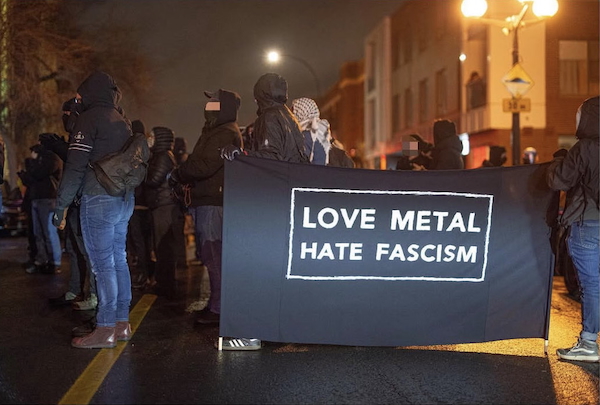
(photo: Alex/the_purple_line)
2024 was a very political year for many – me included. I unfortunately spent much more time being tear gassed and otherwise injured by police than enjoying the arts. As such, what sticks out to me the most artistically is intrinsically tied to global circumstance.
Protest art, the people’s art, was what I saw most of this year. It took on many forms, from posters to wheatpastes to signs, banners, and even effigies set ablaze. Often with a specific aesthetic of blocky letters and bold colors, one may be met with a declarative quip, sobering statistic, or occasionally a caringly created artwork. Very DIY, these works have a vast emotional range: piercing, rage inducing, moving, and motivating, all designed to inspire change and convey a concise but potent message.
In parallel, a grief circle held at Starbar, facilitated by Vanessa Massot, Belen Blizzard, Amir Ibrahim, and Lee Ingram made space for the grief that so many of us are all too familiar with these past few years. Beginning with grounding exercises and poetry, an altar was built with candles, photos, spiritual accoutrements, and cardstock to write names and letters. Some mourned close loved ones, while others mourned historical figures like Fred Hampton. A keffiyeh, draped over a lightbox, memorialized the thousands of Palestinian lives lost in the past year. While the flowers, cigarettes, and shots of whiskey were left as gifts for those dearly departed, the action of collective mourning offered the gift of a soothing, cathartic salve for those often too caught up in action to take time to feel.
May 2025 be a year where we can make art about peace, hope, and abundance.