330g, Saskatoon
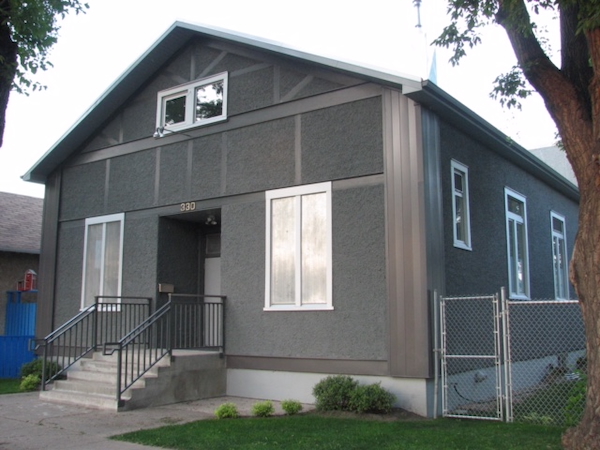
The Canadian art landscape is ever-changing. Places + Spaces keeps you informed of established and up-and-coming exhibition venues across the country including museums, galleries, artist-run centres, and more. This month, we hear from Marie Lannoo, Founder and Director of 330g in Saskatoon.
What is the history and mandate of your gallery?
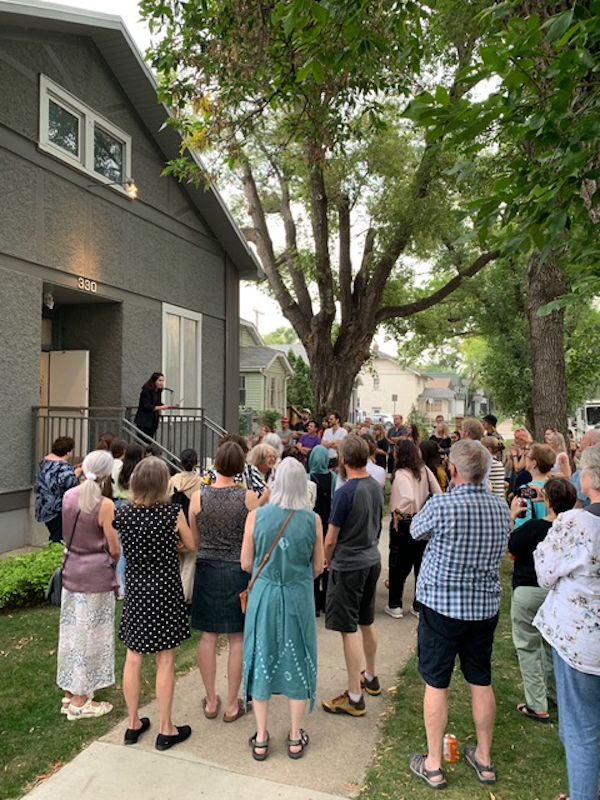
330g is an independent exhibition/project space directed and operated by me since 2012 in the Riversdale neighbourhood of Saskatoon. I created it to give artists an opportunity to share their work and exchange ideas with other professionals both locally and from abroad through temporary exhibitions. I invite the artists to exhibit. 330g is intended to introduce artists from the community and from away, many of whom have not exhibited here before. It is important to have alternative exhibition spaces to accommodate working artists and to encourage innovative projects. The 330g building also houses my studio space and six other studio spaces that I rent to local artists. There is such a shortage of affordable studio space in Saskatoon and, thankfully, most of my tenants are long-term. My mottos are “less is more” and “small is big”. The space punches above its weight. Kyle Zurevinski is my website manager.
What’s a highlight of the neighbourhood where the gallery is located?
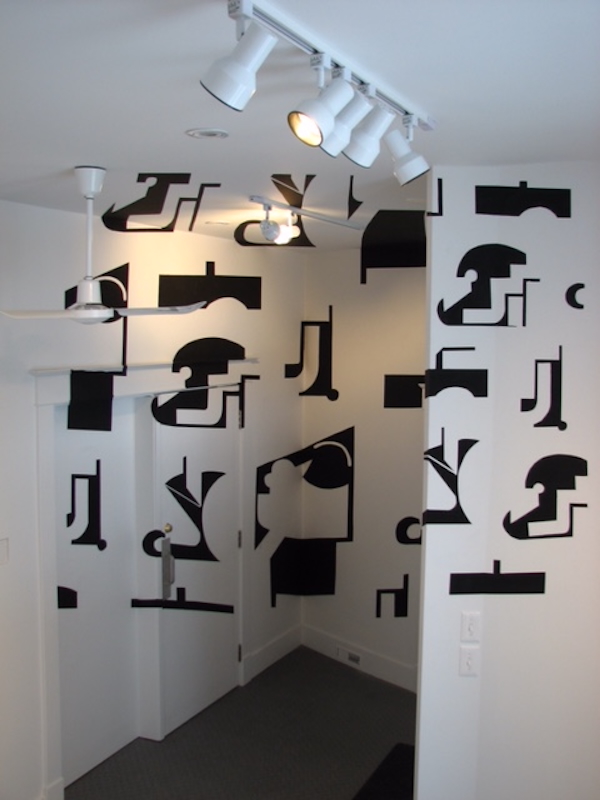
Mitch Speed, Echo Location
The west-side location is in the cultural corridor of the city only blocks away from AKA Artist-Run, PAVED Arts, Remai Modern, Persephone Theatre, the Gordon Tootoosis Nikaniwin Theatre, Studio C, Saskatoon Makerspace, and the future Caswell Bus Barns project. 330g is located on Treaty Six land and the Homeland of the Metis and was formerly a Ukrainian Labour Temple built in the 1920s.
What’s your favourite part of running an art gallery?
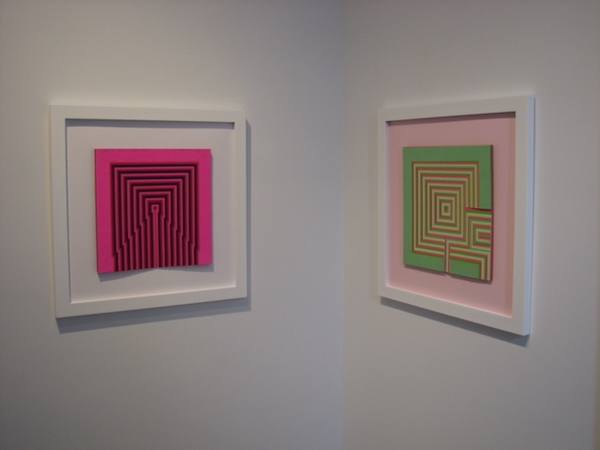
Wally Dion, Rock, Paper, Scissors
I reach out to artists directly, from one studio to another – artist to artist – with no middle people or institutions. I manage and fund everything myself, so I have full control showing who I want, when I want, and why I want. No begging for money and no grant applications or reports. I am also committed to exhibiting young artists, enabling them to apply for grants.
How do you find out about new artists?
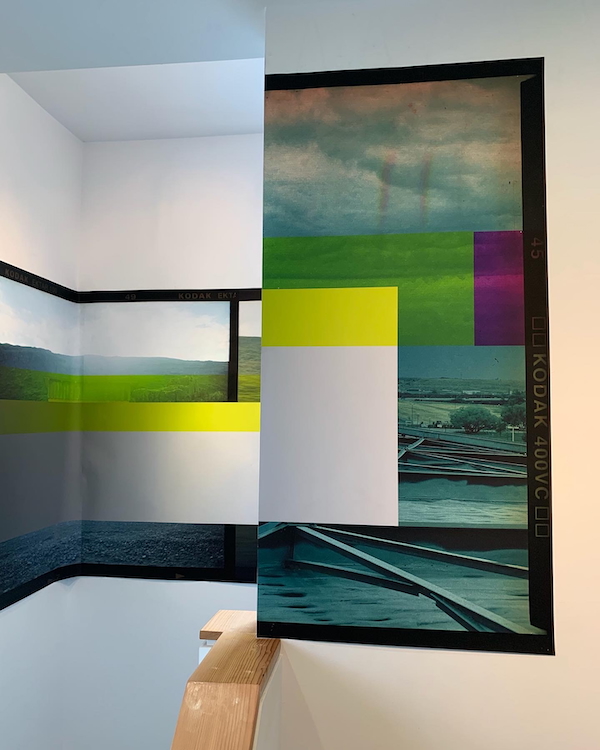
Barbara Reimer, Redacted
I reach out online initially, and have met and exhibited several artists without meeting them physically. I follow many artists online; attend exhibitions across the country and beyond; follow art and art criticism sites, architecture and design, and fashion; read vigorously; buy art book; and listen to podcasts. I’m an insomniac so I cover a lot of territory in the middle of the night. Word-of-mouth recommendations are also useful.
Where do you see yourself in five years?
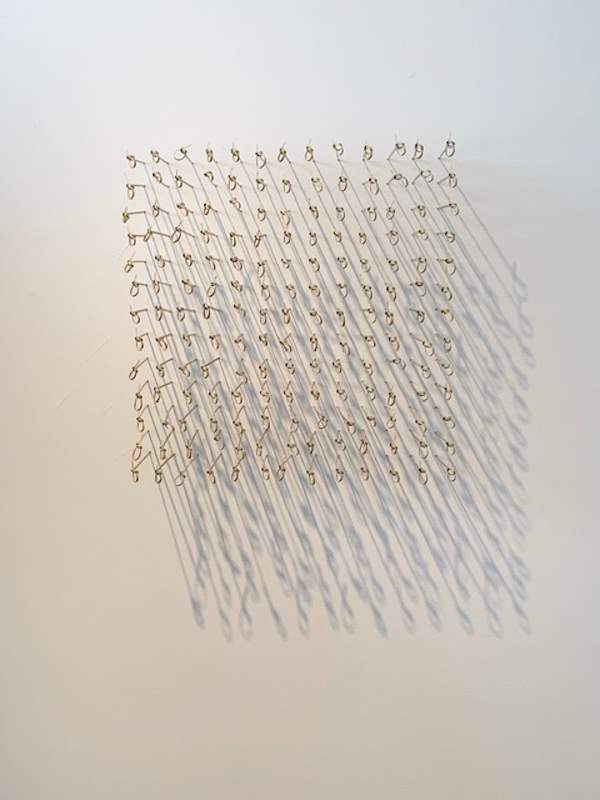
Susan Shantz, Loops and Lines
Doing exactly what I am doing.
What excites you about your upcoming exhibitions?
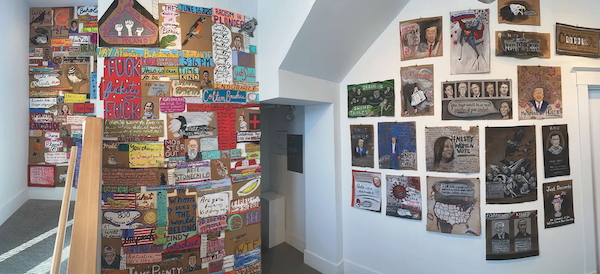
Betsy Rosenwald & Dawna Rose, Journal of the Plague Year, 2021, installation view at 330g
I do not plan exhibitions too far in advance as I like to have the flexibility to be spontaneous – something larger institutions and centres dependent upon grant money are not. If an artist catches my eye or is particularly relevant at a specific moment, I can nimbly make the decision to show their work in a quick timeframe. One example is the exhibition Journal of the Plague Year(s) by Betsy Rosenwald and Dawna Rose in 2021. I received a postcard in the mail from Betsy with her political painting The Sleep of Reason Produces Monsters (inspired by Goya, of course), loved it, contacted her, and within six weeks, we had a show planned and installed with Dawna Rose (her studio-mate) – all during COVID. Hung salon-style, the show received a glowing review in the Globe and Mail from Marsha Lederman and went on to be exhibited at Remai Modern. The timing was perfect and the project organically took off.
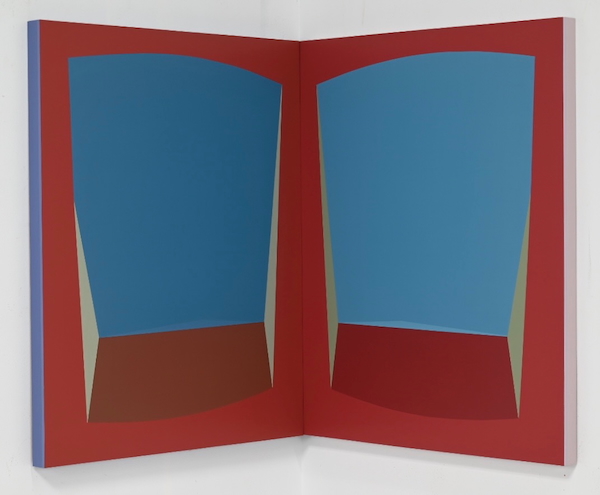
Larissa Tiggelers
At the moment, I am particularly interested in supporting women who work abstractly. Our current exhibition, Page Into a Mirror by Larissa Tiggelers is not only introducing a new abstract painter to the Saskatoon audience, but also supporting a female practitioner from the West. There is a new generation of female artists here offering new interpretations and possibilities for abstraction. I am eager to support them. Russna Kaur is another good example.